
How to be prepared to talk with an editor or agent.
By C.D. Hersh
When we sold our first book, it wasn’t the first time we had pitched a book, and it probably won’t be the last time we have to pitch. Pitching is a constant for any writer and that face-to-face contact goes a long way. Along our journey we’ve picked up a lot of tips. Here are twelve pointers we have found helpful.

• Dress for success. Whether you realize it or not, this is a job interview. Even though you might type in your PJs, you want to make a good first impression on the editor.
• Make a cheat sheet note card (small enough to fit discreetly in your hand) with your title, subgenre, book length, hook, your blurb and any contests the book finaled in. These are notes for you, not for the editor. We all get nervous and forget the simplest things. A cheat sheet comes in handy when this happens.
• Smile. It makes you look confident.
• Keep eye contact with the editor. This also helps you look confident.
• Give her your business card. Make sure all your contact information is on your card: website, email, telephone, and any other contact information you’d like to add. We put our book blurb on the back of our business card so it’s available for her to read (should she choose) after we’ve left. It’s also a great way to keep your story in front of her since most editors don’t accept one-sheets or other papers at a conference, but they will accept your business cards. Remember, they have to carry anything they accept back with them on the plane.
• Take a deep breath and talk distinctly and slowly. It’s natural to speak quickly when you’re nervous, but in a room with several other editors and writers giving their pitches it’s easy to miss words that are said too fast.
• Start your pitch with your book title and book cover blurb. Don’t read it—memorize it. Do your best to make it sound like you’re telling a friend about your book, not reeling off a commercial. Practice makes perfect on this hint. After you hooked her, hopefully, with your great blurb, let her know the subgenre, length, contest wins, or other pertinent information about the book.
• Be enthusiastic about your book. They’ll notice your passion and it could spark interest.
• Keep your initial presentation to about half the time allotted for the pitch. This leaves time for them to ask questions.
• If you see they are not interested, or says they just bought something like it, or you have extra time, have another book ready to pitch. Just make sure it’s in a genre they are accepting. Catherine actually pitched three books in one session because her initial pitch went so fast. The editor asked to see all three!
• Ask how to submit. Make sure you get their business card with contact information. There’s nothing worse than leaving the interview and realizing you didn’t find out where to send your manuscript. And, yes, Catherine has been so nervous and excited that an editor asked for her book that she walked out without contact information.
• Don’t forget to say, “Thanks” as you leave. This may seem like a given, but in tense situations it’s easy for things slip your mind, as noted by Catherine’s mistake in the hint above. If you aren’t askd for your book, be sure to thank them for their time. You don’t want to burn any bridges. You might have another book later you’ll want to pitch to the same editor or house.
The Authors — C.D. Hersh
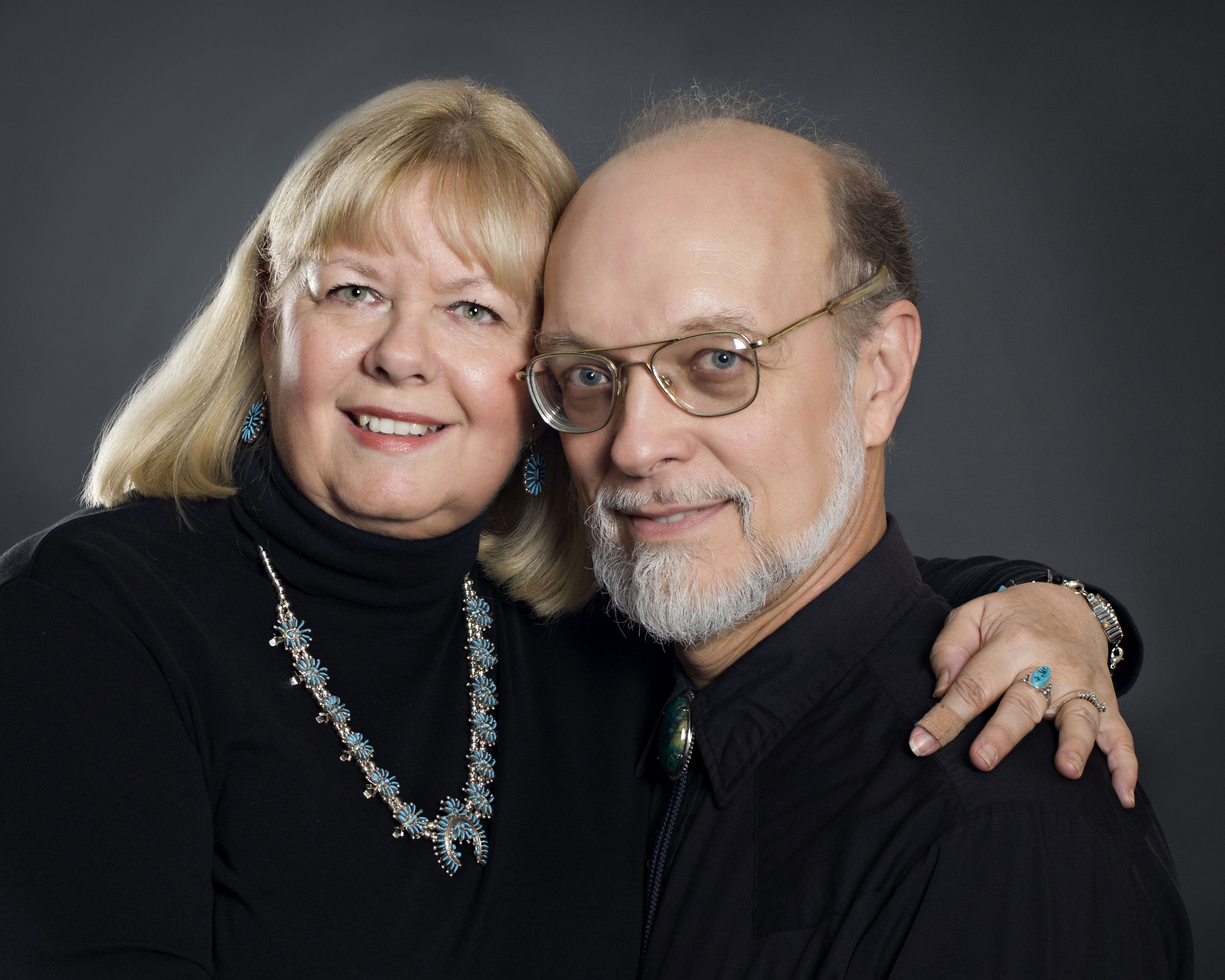
Two hearts … creating everlasting love stories
C.D. Hersh is a husband and wife writing team (Catherine and Donald) who are high school sweethearts who know the meaning of true love.
To write the best romance stories possible and have them published is their goal. They write paranormal/time travel romance and contemporary romance with and without paranormal elements but most often with a twist.
Their serial collaborative writing effort is a paranormal romance series entitled The Turning Stone Chronicles. They have also ventured into contemporary romance with a short Christmas story, Kissing Santa, in a Christmas anthology titled Sizzle in the Snow, with seven other authors; a novella, entitled Can’t Stop the Music. As well as a time travel romance, entitled Ghosts and Gardenias.
